Showing posts with label Curriculum Tips. Show all posts

Monday, December 19, 2011

Dormancy and Vernalization

Over time many plants and trees have developed strategies to protect themselves and to thrive in their particular climate. Two such strategies, which usually occur in tandem are dormancy and vernalization. Dormancy refers to a period of time when the organism physically stops growing; this is typically done to conserve energy during the colder months of the year or to protect itself from adverse environmental conditions. Plant and tree dormancy that occurs in response to environmental conditions is called consequential dormancy, and predictive dormancy occurs when an organism's natural biological cycle anticipates a weather change and promotes dormancy in advance. During dormancy deciduous plants will lose all of their leaves and evergreens suspend growth. The picture of the white birch tree below shows a dormant tree that has lost its leaves and is essentially "hibernating" through winter.

Photo of dormant white birch tree courtesy of Jilly Clardy
Vernalization refers to the period of cold weather exposure experienced by plants and trees, which actually enables them to set buds and produce fruit when warmer temperatures arise. To clarify, dormancy refers to the suspension of the organism's growth in anticipation or response to environmental change, while vernalization refers to the plants ability to set flowers or produce fruit after dormancy in a direct response to cold weather exposure. If you have stone fruits like peaches and plums or even apples, these all need a vernalization period for them to be able to bear fruits. This is why it is more common to see stone fruits and apples in the Inland Empire than it is too see them along the coast.


Vernalization was discovered after many years of observation by agronomists and plant physiologists. A pioneering researcher in this field, Russian agronomist Trofim Lysenko, coined the term 'vernalization' and he also developed methods to manipulate plants which require vernalization to induce early production by artificial exposure to cold temperatures. In fact, Lysenko is credited with saving millions in Russia during a long, cold winter by being able to germinate winter wheat crops ahead of schedule, making food available in the spring instead of the summer.


*You can observe the process of dormancy at your own school. Take a few moments to observe the plants and trees in the garden and note which have lost their leaves and which have not.


*In one of our previous posts we discussed the citrus tree and its unusual characteristic of fruting in winter while many plants are dormant. Do some research to determine if, or when, the citrus tree experiences dormancy.


For more reading on dormancy and vernalization, please see the following websites: http://en.wikipedia.org/wiki/Dormancy


http://ahs.org/publications/the_american_gardener/pdf/0405/Everyday_Garden_Science_51.pdf
http://en.wikipedia.org/wiki/Vernalization

Wednesday, December 14, 2011

Winter Fruiting Citrus Trees


Photo Courtesy of Andy Jien
In a previous blog post, we talked about two of the few fall fruiting trees, Persimmons and Pomegranates. Today's blog will be about citrus trees, some of the few winter fruiting trees. Citrus is a commonly used term that refers to several of the flowering varieties of the genus Citrus; the fruiting trees included within this genus are: lemons, limes, oranges, grapefruit, tangerines, and most species of kumquats.

Some of the earliest species of citrus trees are believed to originate from Southeast Asia near the area bordered by Myanmar (Burma), Northeast India, and the southwest corner of China (Yunnan province). Citrus trees were brought over to Europe from Asia and many of the citrus trees we see in California are decendents of the ones grown in the mediteranean regions of Europe. Citrus trees were commonly grown throughout Southern California around the turn of the century and well into the middle of the twentieth century; in fact, citrus fruit production is what attracted many of the first settlers to the Inland Empire and Orange County (appropriately named after the orange). Throughout human history, citrus have been cultivated and revered not only for their culinary properties, but their health benefits as well.

Citrus trees come in many different sizes and colors. There are standard varieties which grow to be approximately15-25 ft. in height, semi-dwarves are roughly between 8-15 ft. tall, and dwarves (which are the variety at most of the IEUA's school gardens) are about 4-8 ft. tall. Citrus trees begin to flower in the fall and by December most of their fruit have developed. They need a diurnal winter to change color, so our Mediterrenean climate is perfect for witnessing some of the beautiful colors of some citrus species. Some citrus trees grown in tropical locations never experience cool temperatures, which makes them stay green year round even when ripe.

If you live in an area that is near the Inland Empire Utilities Agency (Chino, Montclair, Ontario, Upland, Rancho Cucamonga), then it is likely that citrus trees have played a role in your city's history. As a fun project, have your students research the role that citrus played in your city. Try to find out which species of citrus were grown in your area and by whom.

For more reading on citrus and its role in Inland Empire history, please see the following websites:

http://en.wikipedia.org/wiki/Citrus                   Time line of Citrus in the Inland Empire:

Monday, December 12, 2011

Rainy Season Runoff


Photo courtesy of Roger Mommaerts
 The rainy season in southern California occurs between the months of December and April, although we occasionally experience rain in May and June. The average precipitation of rain in southern California is about 12", with the majority of rainfall occuring in the month of February.
Although rain is not plentiful in southern California, especially compared with the majority of the United States, we do receive enough water that it can be harvested and stored for later use.

In fact, one way to conserve water and to help your garden grow is to capture rainwater on site in a rain barrel so it can be reused later during drier months.

Rain barrels can be purchased at your local garden or home improvement store. They are easy to install as you can see from the picture, but all rain barrel systems are different so read the directions before you start the installation.

Most rain barrel systems attach a hose to the rain gutter on the side of your house or building. Water is then diverted directly into the barrel. Barrels range in size from 50-60 gallons, so they can hold quite a bit of water and become very heavy.

One of the greatest benefits of installing a rain barrel is that you offset your potable water demand and do your part to conserve water. It also conserves water by recharging the rain water into the ground instead of running off into storm drains.


Monday, December 5, 2011

Santa Ana Winds

PhotoSource: //en.wikipedia.org/wiki/File:Santa_ana_winds.jpg

Southern California's coastal and inland areas are known for their mild weather patterns and mediterranean climate. However Southern California does experience certain unique weather phenomena, one of which is the Santa Ana winds. The Santa Ana winds are warm (sometimes hot), dry winds that sweep across Southern California and Baja California usually during the fall and winter seasons.

Santa Ana winds originate from the desert and flow in a southwest direction toward the sea. This is an unusual wind current as most breezes blow in an easterly direction. During cooler seasons, high pressure begins to build up in the Great Basin (western Nevada) and the temperature starts to drop. The cool, dense air is forced east to lower elevations where it begins to pick up speed and simultaneously increase in temperature as it passes through the Mojave Desert. Santa Ana winds can be very destructive as they can easily reach 40-70 mph. By the time they reach the larger population nodes of the inland valley, the air is hot and extremely dry. These conditions can intensify fires and cause severe damage to property and life.

Although it has several destructive characteristics, the Santa Ana Winds are here to stay. They preceded human settlement in this area and it is imperative that we learn to adapt to this weather phenomenon. If you have a garden with young trees, reinforce their trunks by tying a straight stake or pole to the tree. Also, if you're growing a vegetable garden, be sure to water regularly as the dry winds can damage crops.

Article sources and additional information can be found at:


Monday, November 21, 2011

The Thanksgiving Bird and the Possibilities in Your School Garden.


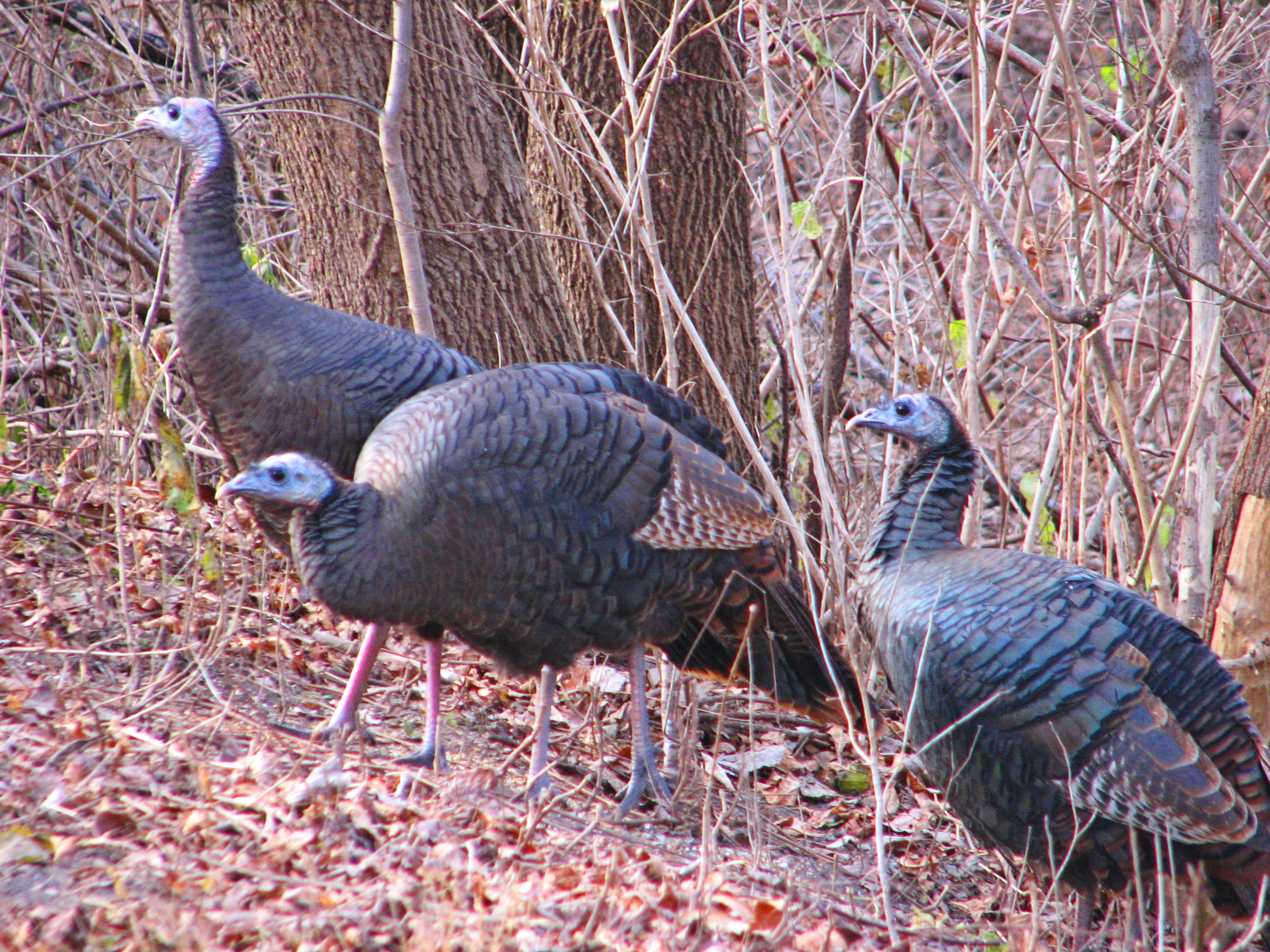
Wild Hen Turkeys
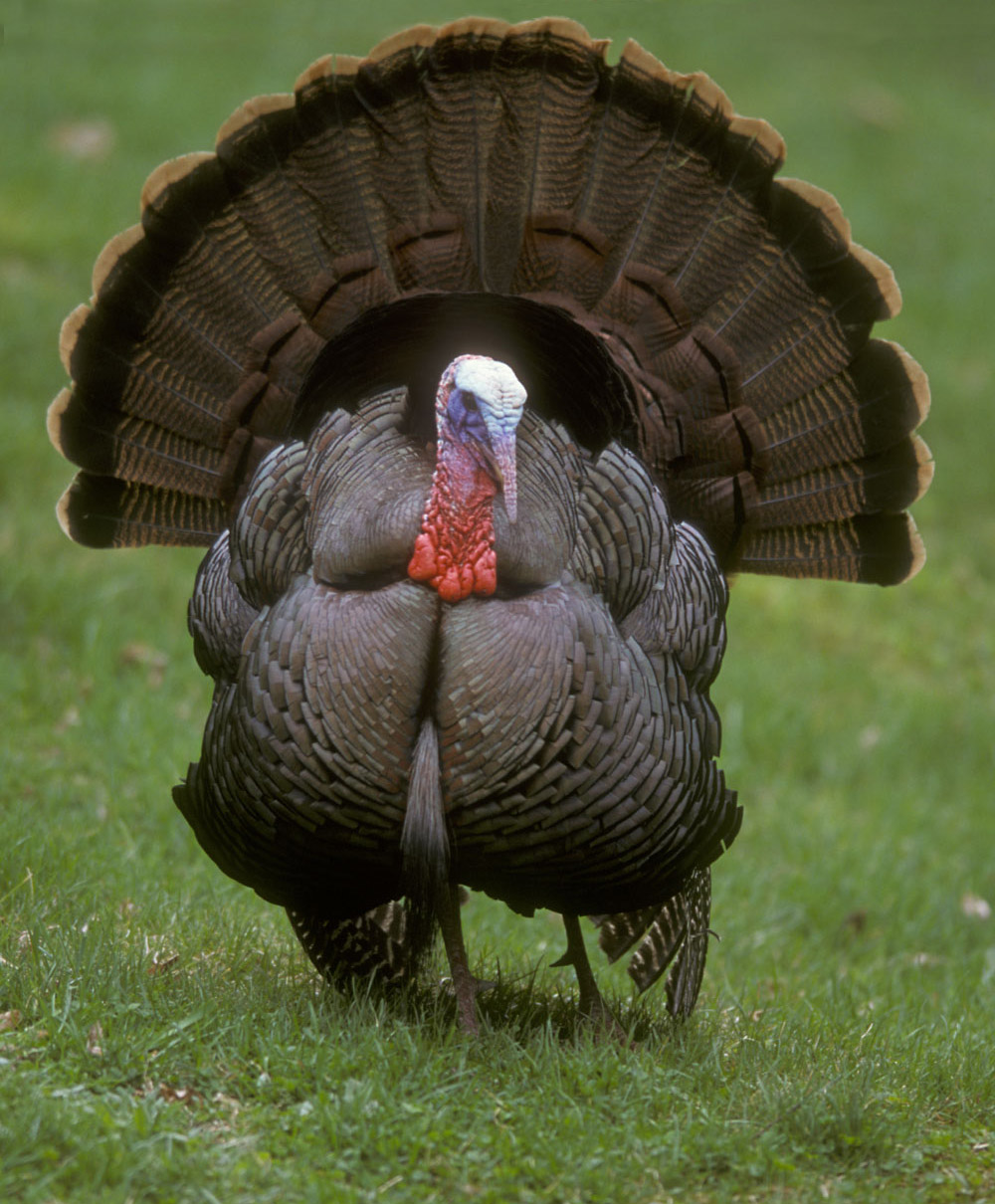
The turkey can be a great addition to your garden and I'll get to why, but first some history on the thanksgiving symbol! The Turkey is a bird that is native to America. Benjamin Franklin once suggested that th turkey should have been the national bird instead of the Bald Eagle. That may seem like a silly idea now, but back in Benjamin Franklin's time, wild turkeys were a much different animal than the giant turkeys that we eat for dinner. Wild turkeys even today are often seen in wild areas of America, they are much slimmer and a lot more agile than the type that is commonly eaten for thanksgiving. The Toms (male turkeys) will remind you of the turkeys that you drew when you were a kid. Wild turkeys are known to fly, and will often perch up in trees at night in order to hide form predators.

Wild Tom
Heritage Turkeys are an old breed of turkeys that people used to raise before modern day advancements in large turkeys. The turkeys were larger than the wild turkeys and usually can not fly. However, they are still agile enough to jump fairly high and perch in trees at night. I used to raise a couple of different breeds of heritage turkeys, I even had a Bourbon Red Turkey before I passed it on to the Lyle Center for Regenerative Studies. It is estimated that there are only 5,000 breeding Bourbon Red Turkeys left in America. These types of turkeys are seeing a resurgance because of renewed interest in heritage breeds.
Bourbon Red Heritage Tom


The type of turkey that you buy at the store is bred to be so big, that they cannot jump at all (sometimes they can't even walk). This is why turkeys now are able to feed such large families, because they are bred to be so large. In the past and at the first thanksgiving dinner, turkeys were nowhere near the size of what we see on the dinner table today.

So, you might be asking what does this have to do with gardens? Well, after having raised turkeys and kept them in my garden at home, and after some research. I have found that turkeys make GREAT insecticides. My turkeys were phenomenal at keeping bugs out of my garden. In fact, all summer long I had absolutely no problems with insects. Many farmers will say that the only insect that the turkey won't eat, is the insect it can't catch. Turkeys are great at pest control. In fact, my turkeys ate so many insects and even seeds from weeds, that they hardly ever at their feed, yet they remained healthy and fat. Now, that the Lyle Center has my old turkeys, I haven't yet come up with a plan to keep insects at bay. I may end up raising just one more turkey just for the sake of keeping pests away. But be careful, they will eat seedlings and young plants.

Raising a jake (baby turkey) can be a great experience for kids at a school. It is relatively easy and there are feed stores that can help you all over the inland empire. I suggest it for anyone that is looking for a natural pest control option, and for anyone that wants to teach more biological and ecological sciences. Also, the turkey poop will make great fertilizer!

Friday, November 11, 2011

Tips for Maintaining and Sustaining Your Garden


Photo courtesy of California School Garden Network
  The California School Garden Network (CSGN) has compiled a booklet entitled: 'Gardens for Learning: Creating and Sustaining Your School Garden'. This helpful book offers advice on incorporating the garden into classroom curricula, as well as funding your garden and general planting information. CSGN also offers a supplement to this book which was designed to assist teachers in incorporating the garden into the California state standards curricula (see link below).

During the Fall and Winter seasons when the garden may not be in peak operation, there are still several things you can do to maintain and sustain your garden. The following suggestions come from Dorothy Peterson, School Garden Coordinator in Davis Joint Unified School District. These can be found on page 85 of 'Gardens for Learning'.


  • Create a garden logo. Logos are a great way to create an identity for the garden and they make the garden more recognizable to funding sources. Also, have your students help create a catchy tagline for the garden.
  • Make sure your school gardens have a strong marker on the school's website or its own webpage. This provides visibility for parents and promotes communication about the garden to the community. It also gives you a reference page for funding sources.
  • Write a "Garden Corner" piece in the school newsletter. The newsletter should be printed in English and any other language common among the student population.
  • Recruit gardening parents at Back-to-School Nights. Remember to follow up recruitment with a couple of training sessions that will accommodate both stay-at-home and working parents.
  • Send out a letter of request for donations. This can be done during the Fall or Winter.
  • Look for unique funding opportunities within your school and community. Check for grants outside of the school district that focus on water wise planting, alternative curricula, healthy schools, etc.


To access 'Gardens for Learning' as an online book, click on the following hyperlink: http://www.csgn.org/page.php?id=36.

A free copy of 'Gardens for Learning: Linking State Standards to Your School Garden' can be requested or downloaded directly from: http://www.cfaitc.org/gardensforlearning/.

Monday, November 7, 2011

What's Up With Purple Pipes?


Photo of purple pipes courtesy of "freshelectrons"
 Water is a precious resource that needs to be conserved, particularly in the semi-arid and mediterranean climates of Southern California. Although roughly 75% of the Earth's surface is covered in water, only 1% of that water is potable (drinkable) water. The supply of potable water is dependent on many environmental factors: adequate snow fall, drought, climate change, etc. The natural variation in potable water sources occasionally produces shortages in our water supply.

Humans use potable water for many processes: clothes washing, electricity generation, crop and field irrigation, etc. Interestingly, not all of these uses require potable water. Oftentimes recycled water can be used as a substitute for potable water. California's plumbing code mandates that recycled water flow through purple pipes. Many of your schools have either already installed purple pipes or they are currently doing so. This means that your school may already irrigate its landscape with recycled water!

So what is recycled water and how is it made? Modern plumbing systems use potable water to transport wastewater from our homes and businesses to a reclamation facility, like the Inland Empire Utilities Agency (IEUA). This wastewater is then put through a tertiary treatment process that mimics nature's cleansing process. Solids are screened out of the wastewater in the primary phase of the treatment; then, in the secondary phase, the wastewater is subjected to an aeration process, where microbes and other bacteria are allowed to consume and dissolve the remaining organic material. Finally, in the third phase of the tertiary process, the water is filtered again and disinfected. The result is a highly purified type of water called recycled (or reclaimed) water.

To learn more about recycled water and purple pipes, visit http://www.ieua.org/. If possible, schedule a field trip to the Inland Empire Utilities Agency to learn more about the water treatment process. While you're here, you can check out the Chino Creek Wetlands and Education Park (www.ieua.org/educations/park.html ).

Here is a link for young students to learn more about the water cycle and the many uses of water: www.ieua.org/educations/education.html .

Wonderful Worms

Photo of earthworm, courtesty of "Dodo-Bird"
 There are over 3000 species of worms on the planet. The most common worm that we are familiar with is the earthworm. In scientific terms, earthworms are termed "megadriles" because of their large size. In fact, the earthworm is the largest member of its subclass Oligochaeta. However, earthworms are not the largest worms on earth; some worms can grow to be 22 feet long! These gigantic worms can be found in Australia or South America.

Worms are invertebrates, meaning they do not have a spine. They do however, have a digestive tract, reproductive organs, and multiple hearts. They have an interesting property of regeneration, meaning they can regrow parts of their body should a piece get cut off. A popular belief is that worms will regenerate into two distinct worms if they are cut in half; this is not usually the case. Worms tend to regrow only smaller parts of their anatomy.

Worms benefit humans in many ways; they serve a vital role as oxygen providers, decomposers, and nitrogen builders. Their presence in soil is considered a sign of soil health and vitality. Worms have pliable, moist bodies, which allow them to move through the soil easily. As they move through the soil they eat organic matter, small insects, and bacteria. The tunnels that worms leave in their wake actually aerate the soil, meaning it provides a space for oxygen to access the soil. Finally, the excrement of worms is called a "casting". Castings are nitrogen rich deposits that enrich the soil and help plants grow.

To learn more about worms, check out the following website: http://www.enchantedlearning.com/subjects/invertebrates/earthworm/Earthwormcoloring.shtml.

It provides a Read and Answer Quiz about earthworms.


Information for this post was found on http://en.wikipedia.org/wiki/Earthworm and the site listed above.

Tuesday, October 25, 2011

Pumpkin Patches


Photo of pumpkins, courtesy of Jeremy Seitz

Fall is the time of year when pumpkins are plentiful! It is estimated that the United States produces 1.5 billion pounds of pumpkins every year!


Pumpkins are from the genus Cucurbita , which is part of the gourd family. Cucurbitas are native to North America; the first known evidence of pumpkins dates between 7000-5500 BC in the area today known as Mexico.


Pumpkins are a winter squash, which means they have a thick outer shell to help them last throughout the winter. This self-preserving quality has made the pumpkin a staple of the human diet. In addition, there are certain types of pumpkins that have naturally high sugar content. Commonly called "baking" or "sugar" pumpkins, these pumpkins are used to make pumpkin pie and other desserts.


Pumpkins come in all shapes, sizes, and colors. At maturity, there are some ornamental pumpkins that are small enough to fit in the palm of your hand, while there are other pumpkins that can weigh over 1,000 pounds! However, the most common pumpkin that most Americans recognize is a medium-sized, orange pumpkin that we carve around Halloween. This variety is called the Connecticut Field pumpkin.


As with most fruits, the pumpkin is not only valued for its flesh, but for its seeds. This year when you carve your pumpkin, try to save as many seeds as you can. You can use some for planting next year, or if you want to make a treat out of them, you can soak them in salt water and roast them in the oven.


Wednesday, October 19, 2011

The Seasonal Sun


Photo of sun, courtesy of Martin LaBar


The sun is the star at the center of our solar system. Its mass is so large that its gravitational effect holds several planets in orbit around it. Our sun is only a medium-sized star classified as a yellow dwarf, but its diameter is still over 100 times that of Earth's diameter.


In our solar system, Earth is the third planet from the sun. In addition to a plentiful supply of oxygen and water, Earth's position has enabled life to evolve on our planet. Some of our most basic organisms, like plants, algae, and many bacteria, create food for themselves by drawing energy from the sun through a process called photosynthesis.


Earth is not exactly spherical; in fact, it bulges in the center around the equator. Earth's axis is also slightly tilted; the angled axis is what causes the seasons to change as earth makes its annual trip around the sun. The longest day of the year in the northern hemisphere is on June 21st and is referred to as the summer solstice. The shortest day occurs six months later on December 21st and is referred to as the winter solstice. Check out the picture below to see how the Earth is tilted and how that might affect the amount of sunlight/solar radiation the Earth receives at different times throughout the year.


Image of seasons, courtesy of Wally Glutton.


The tilt of the Earth creates another interesting phenomenon: a seasonal change in the height of the sun relative to the horizon. In scientific terms, the height of the sun relative to the horizon is called altitude. The sun's position, as it travels from East to West throughout the day, is called azimuth. Azimuth is simply an angled measurement of the sun's position relative to true north. During the winter in the northern hemisphere, the sun sits very low above the horizon even during the middle of the day; however, in the summer it has the potential to reach 90 degrees from the horizon, hence the term "high noon".


An understanding of the sun and seasons is extremely important to humans. Besides being the source of life, our system of food production is dependent on this knowledge. It makes sense that at the time of the year where the northern hemisphere receives the most solar radiation (summer), we are able to produce a lot of food.


As a fun experiment, pick a time and a day that you will be in class every month (for example, the 2nd Wednesday of every month at 11:00 am). Use a protractor to measure the height (in degrees) of the sun. Use the horizon as the base (0 degrees) and the sun as your target. Chart your monthly altitude measurement and at the end of the school year, you should see that the sun has followed the pattern described above.


For a more in depth experiment, visit the University of Oregon's Solar Radiation Monitoring Laboratory (http://solardat.uoregon.edu/SunChartProgram.html) and create a detailed graph of your observations.
Terms to look up: Solar System, Photosynthesis, Seasons, Altitude, Azimuth

Monday, October 17, 2011

Fall Fruiting Trees


Photo of Pomegranate, courtesy of Kristen Taylor
 Fall is an interesting time of year. When many of our summer plants are beginning to wither and our stone fruit trees have dropped their last fruit, something quite unusual happens. Two trees, pomegranates and persimmons, become full of bright, colorful fruit.

Pomegranates and persimmons bear fruit in the northern hemisphere between September and January. These trees do best in Mediterranean climates(such as ours in the Inland Empire), which consist of short, mild winters and long, hot to mild summers, and so are quite important to urban homesteaders in the area. Pomegranate trees bear medium-sized fruits with a dense outer shell that protect small berry-like seeds encased in spongy pulp. Cutting into a pomegranate is a notoriously messy process, because the seeds pop and squirt red liquid in every direction. A good tip is to fill a small bowl with water and submerge the pomegranate; then you can make your attempt to crack into its hard exterior. Your water will turn pink, but at least your shirt will stay clean.

Photo of Persimmon, courtesy of Frank Chan.


Persimmons are also a medium size fruit with a hard exterior. They begin as small green/yellow berries that ripen to a deep orange color. As the fruit ripens and softens the exterior becomes edible. Make sure you eat a persimmon only when it has fully ripened; if you try to eat one too early it will make your mouth pucker. Prior to ripening, the persimmon shell is full of tannic acid, which makes it bitter tasting. There are some varieties that are non astringent such as the Fuyu and those can be eaten before they are fully ripened. In fact it is very common for Fuyu Persimmons to be eaten while still crunchy. Persimmons are often used to make cookies and jams. They are pervasive within East Asian culinary cultures and they were extremely important to early Native Americans.

Interestingly, many persimmons in the US, including Asian varieties are grafted onto a North American rootstock. We had a Fuyu persimmon in our demonstration garden which, due to high winds, broke at the graft. Now the rootstock has created new growth, so we'll be getting a North American variety instead of an Asian variety. I'm looking forward to seeing how those fruits turn out.

The IEUA Garden in Every School program uses both of these fruit trees in many of our school gardens. Take a look in your garden to see if you have any pomegranates or persimmons. If you're feeling brave, grab a few pomegranates and come up with your own way to harvest its seeds. Or, for a more educational venture, look up the different uses for persimmons in Asian cuisine. You will probably find several varieties that you have never seen before.

Monday, October 10, 2011

The Onion Family


Photo of Leeks, courtesy of Karen and Brad Emerson

Onions and other aromatic plants belong to the genus Allium in the lily family. In fact, they are commonly referred to as "the stinking lilies" for their distinctive aromatic properties. There is a wide range of species within the genus Allium. They include: onions, leeks, garlic, chives, and shallots.


The Alliums grow best when planted in the fall as they prefer a cooler growing season. The average allium takes about 180 days to grow completely, from the time the bulb is planted to the time the plant is harvested. Growing onions from seed may take even longer. Planting bulbs can be purchased at your local hardware store, or you can order them from specialty seed stores if you want to try more exotic varieties like Russian Red, Ajo Rojo, or elephant garlic.

Photo of Mirepoix, courtesy of Island Vittles

The Allium family has been prized throughout history for its culinary properties. There are several regions in Europe that have incorporated alliums into the base flavor of their foods. As European explorers and settlers moved west, these regional flavor bases spread throughout North and South America. Today we may use these combinations and not be aware of their origins.

For example, the French use a flavor base of onions, carrots, and celery. This special combination is called mirepoix (pronounced: meer-pwah) and it is used in countless soups, sauces, and other flavorful recipes.


Have your students look up other regional flavor bases to see how they vary from location to location.

A good starting place is to investigate sofrito (Spain), sofritto (Italy), refogado (Portugal) and Suppengrun (Germany).

Also, check out locations in North and South America to see how European culinary influences exist today. Creole and Cuban cuisine will both be very promising.

Wednesday, October 5, 2011

The Potato Experiment: Examining How Your Food Grows


Photo Courtesy of "Seven Morris"

There are several experiments that can be done in the classroom to demonstrate differences in food production. One that works particularly well and can be done within a manageable time frame is the Potato Experiment. The goal of the potato experiment is to see how quickly potatoes from various production methods will sprout.

To do the experiment you will need three types of potatoes: a potato that was grown in your school garden, an organic potato from the store and a regular potato(non-organic) from the store. You will also need three large glasses; preferably tall, see through glasses so it's possible to track the root development of the potatoes. Finally, you will need some toothpicks to help hold the potato half-submerged in the glass. Use the picture to the left for assistance.


Have your class document the growth of the potatoes. Which one sprouts roots faster? Which one grows leaves sooner? Which one grows the most overall?


Have your class look into why there might be a difference or why there might not be a difference. If you're doing the experiment with a high school class, you can have them examine the use of chlorprophan as a bud suppressant and how it works.

Monday, October 3, 2011

It's that time of year again! Get started on a winter garden.


Photo courtesy of Alyss "AlyssssylA" Some leaf lettuce
in a square foot gardeing scheme.

Southern California's mediterranean climate enables year-round gardening. Late summer is typically the best time to start planting vegetables and herbs that grow well in cooler weather. There are several fall/winter vegetables that will thrive in the garden from October to late April/early May. Consider planting the following:


Brassica family: broccoli, cauliflower, cabbage, kohlrabi and brussel sprouts

Amaranth family: Swiss chard, spinach, and beets

Various root vegetables: potatoes, turnips, carrots, and radishes

Other lettuces and leafy greens: Mesclun, butter lettuce, and Red leaf lettuce.


Also, if you're starting a new garden with store bought potting soil, or if you've recently refertilized, remember that your soil will contain a high amount of nitrogen. Nitrogen is the element most needed to grow large root structures and the "green" parts of the plant, as opposed to the "fruit" part of the plant. To take advantage of the high nitrogen content in new soils, consider planting big leafy greens and lettuces.

Thursday, August 4, 2011

Compost Bins and Kids

Redeemer requested a compost bin for their garden, and I think that is a wonderful idea. Teaching kids about compost is a great lesson in science. It can be one of the first lessons to teach kids about ecology and the importance of life cycles, symbiotic relationships, and also insects and bacterium. There are even books for teaching kids about compost.

A great book for teaching kids about compost is "Worms Eat Our Garbage." It's also great for adults learning about worm composting. Vermicomposting is one of the more interesting ways to teach kids about compost because they'll get to see worms eating the organic matter. In the end you'll also end up with some wonderful worm castings for your garden. Here is a link to Washington State Universities guide to creating a cheap and easy worm bin.
WSU's Cheap and Easy Worm Bin.

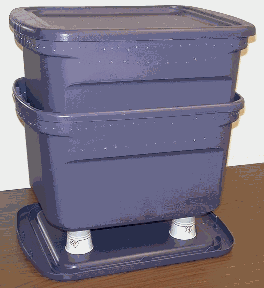
We'll be giving Redeemer a regular composting bin that doesn't take advantage of worms so much, but rather microorganisms and small insects to break down the organic matter. We'll likely be giving them a bin similar to the one below. These bins can be ordered at your local hardware or garden store.
Compost Bin That Rolls on a Platform
 These bins are very easy to use because they roll and tumble on a platform, there is no need to manually turn your compost with a pitch fork, which can sometimes be very laborious. My compost piles at home are made of old pallets, to form a box, and when it's time to turn the compost it's not the most fun. The benefit of pallet compost bins, is that they are cheap and often free. So if your school is strapped for cash, and you want a compost pile, this is the way to go. Here is a link to some nice pallet compost bins with some additional links on how too's from rootsimple.com. Here is also a link on how to make the simplest of pallet compost bins, like the ones below from livingofthegrid.org. You can always have the kids help make the bins and be in charge of turning the piles.

Livingoffthegrid.com's pallet compost bins.


Monday, August 1, 2011

Medlar? What's a Medlar? A Forgotten Fruit.

A Medlar is a pome fruit native to areas surrounding the Black Sea, which is attached to the Mediterranean sea. That means that the Medlar is a great fruit tree to plant in our Mediterranean climate, it will save you water. Medlars do need a period of frost that we don't have, however they don't need it to fruit or to start growing from a deciduous period, they need that period of frost for the fruits to become bletted. Bletting is what happens to a fruit when it has become over ripe. Think of Bananas when they are ready for banana bread, or Persimmons when they are soft and no longer astringent. Medlars that haven't been frozen or haven't gone through a frost period will often be hard, I have heard that if you keep them long enough, they won't need to be frozen or go through a frost period, but I haven't tried that yet.

In the demo garden, the other side of this medlar has been eaten.

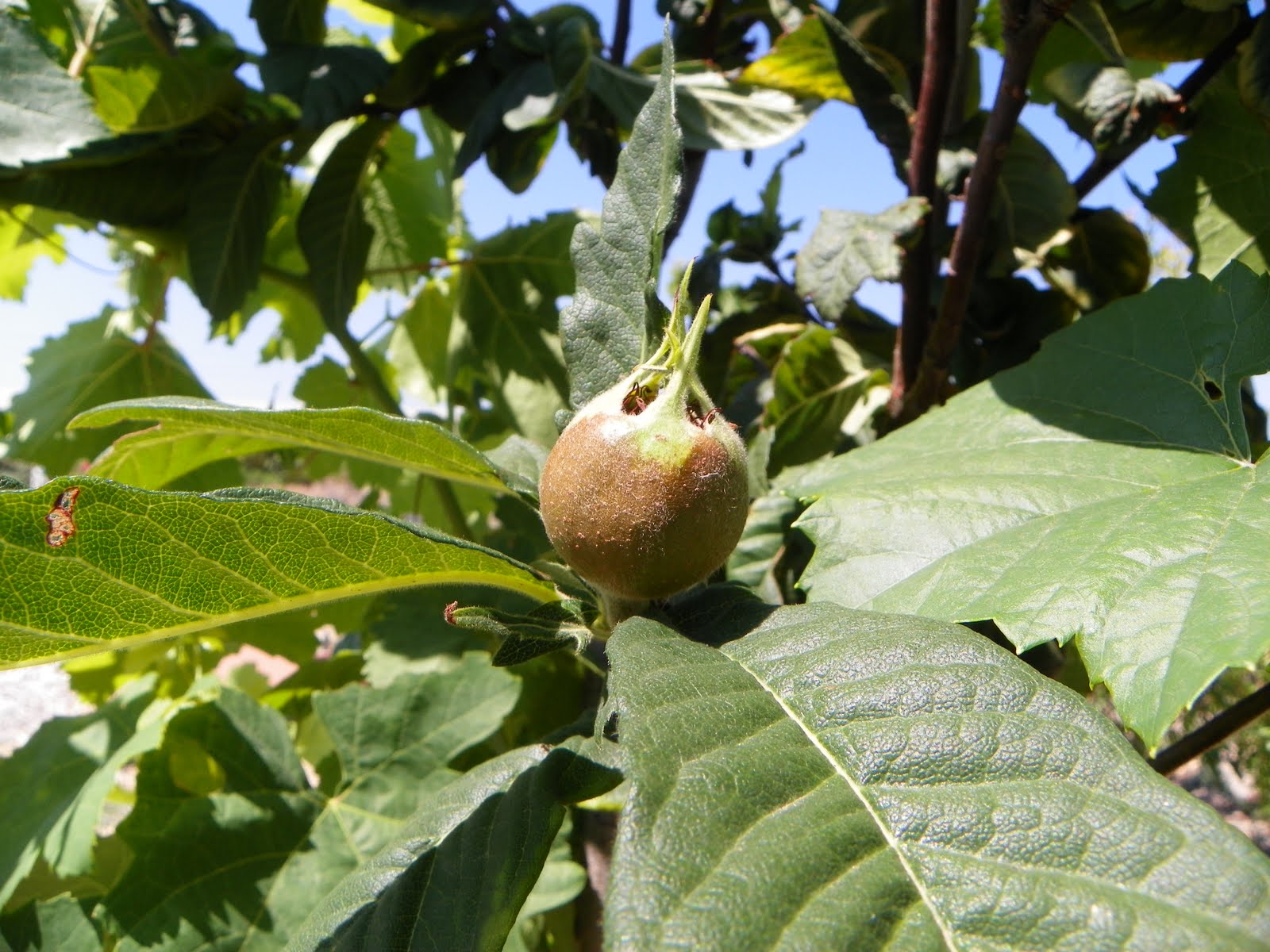
This is a medlar just forming that we have growing in our demonstration garden. Last year we had some but, because of all the wildlife in our park I never have a chance to pick them before the squirrels or bugs get to them. If I'm lucky I'll get the chance to try some this year. I've been told that they have the same consistency and taste of apple sauce, which sounds good to me.
Just missed the bloom, but it's still kind of pretty in that wabi-sabi rustic way.

Here is a picture of a dying bloom. I just missed the bloom by a couple of days, I'll need to time it better next time. The flowers are generally white and actually quite pretty.

The term "medlar" was often used in English literature to describe people negatively. The reason is because medlars need to blett in order to become good. So when someone was called a medlar it was like saying that they are only good when they are rotten. It is quite likely that this is what caused the medlar to lose its popularity as a quality fruit. A similar trend was seen recently with prunes and its relationship with digestion (you'll often see prunes sold as dried plums in order to get away from that stigma).

Medlars were once very popular to new immigrants in America. Eastern and northern Europeans brought the trees with them to the U.S. and and for some time were a staple. Eventuallythey lost popularity in the United States. There are some relatively new Medlar farms in California's valleys so hopefully you may get to see them in stores some time soon. People don't seem to be calling each other medlars anymore (meddler maybe) so they may make a comeback. Interestingly, they have never lost popularity in the middle east in eastern Europe.

The great thing about having your own garden, whether it is at home or at school, is that you get a chance to grow some uncommon foods. I enjoy being able to share medlars with new gardeners as a new fruit that can save space (they only get to be about 10 feet tall), have a beautiful bloom, and provide a delicious fruit. If you want to grow these you'll need to special order them as haven't found them in any local nurseries.

Thursday, July 21, 2011

Curriculum Resources

For a lot of teachers, finding curriculum resources and texts can be problematic. Fortunately there are a some texts available online for free.

The California School Garden Network has a book that I use often available to download from their site for free. It's called "Gardens for Learning: Creating and Sustaining Your School Garden." It's great if you have an e-reader or a tablet (it's in color) as you can just keep it on file and use it whenever you need it. It's in a high enough quality to print also so if you are lucky enough to have the resources to make copies of your favorite pages, you can do so. This book has a lot of curriculum tips for all different kinds of subjects and garden tips to help you keep your garden alive.

The other is from the California Department of Education. It's called "A Child's Garden of Standards" and is available to download on their website as well. This book is more of a resource guide that provides tables divided up by grade level and indicates activities that can be found in a variety of instructional materials. It also indicates what standards these activities are under so that teaching standards can be met. There is a short description of the activities so if you can't afford the instructional materials that it cites, you may be able to figure out what the activity is.

Wednesday, July 13, 2011

Grapes and Pomegranates: Saving water while growing fruit.

 In our demonstration garden at our headquarters we have a variety of grapes, and some pomegranate trees. Both of these fruits require very little to no water in our mediterranean climate. After all these fruits originiated from the mediterranean area.

Pomegranates and Grapes in our demonstration garden.
Grapes were first cultivated in central Asia, the ancient Egyptians, Greeks, Phoenicians, and Romans were known to grow them domestically. There are a few species of grapes that are native to many different parts of the world. Quite a few are even from the U.S. such as the muscadine grapes and concord grapes. There is even a grape that is native to California the California Wilde Grape, (Vitis californica). The California Wild Grape can become a huge beautiful vine but the grapes themselves are tiny and very sour, not fun to eat. They are great for shading windows in the summer and letting sun in during the winter as they are deciduous. A lot of culinary grapes use the wild grape as a rootstock because it is so vigouros. All the grapes that we have in our demonstration garden are mediterranean type grapes because some of the others will require more water. We have quite a variety so that we can see which ones do the best in our park, we have a lot of critters and heavy clay soils.
Our grapes. Most grapes are water wise and climate appropriate to our region.
Pomegranates are also from central Asia. They are commonly grown in the middle east and southern europe along the mediterranean sea. Thomas Jefferson was one of the earliest Americans known to grow pomegranates, he planted some at Monticello in 1771. It's such a delicious fruit that Spain even renamed one of its cities to Granada which is an old term for pomegranate.
One of our youg pomegranates. These are also water wise and climate appropriate for our region.
If you want to grow these out here in Southern California, you'll only need to water them in their first year while they establish. After that, grapes and pomegranates should do just fine with little to no water.

Thursday, July 7, 2011

Growing Tomatoes

It takes 3 gallons of water on average to produce one standard size market tomato. That water isn't in the tomato, but in the plant itself, much of the water is lost through the plant with evapo-transpiration. The process of water applied to the plants evaporating and transpiring through the leaves of the plant. This has to happen so that water can continuously carry nutrients to all the parts of the plant.

Tomatoes are one of the most popular fruits/vegetables to grow in gardens, and for good reason. Store bought tomatoes are bred with the intent that they'll ship well over long distances. These tomatoes will have tougher skins, and low in flavor because the tough skins keep them from bruising and the low flavor is a result of picking tomatoes before they have become fully ripe on the plant.
Garden grown tomatoes of various shapes sizes, flavors and colors.
Photo taken by and tomatoes grown by Rose White of Baton Rouge.

Tomatoes are so popular because they are very easy to grow. They can be grown all over California are abundant and their are so many different varieties and flavors to choose from. At about this time of year tomatoes are ripening up. If you started early then you should already have ripe tomatoes, if you started late you should at least be seeing flowers and probably some baby green tomatoes beginning to sprout.

Here is an interesting historical fact about tomatoes that can be shared with students. Though they are quite popular in Italy and many people think they are from there, tomatoes are actually native to the Americas. It is in fact a "new world" fruit. Where exactly they have come from is of dispute, but the more common belief is that they were first domesticated in Mexico by the Aztecs and likely came from plants that are native to Peru. In Britain and the United States colonies it was a common belief that tomatoes were poisonous until the mid 18th century. Tomatoes are in the nightshade family which have many toxic plants, so this may have just been a misunderstanding of the plant's family.

Another tidbit: While Tomatoes are actually fruits, it is classified as a vegetable for culinary purposes and customs regulations (as decided by the court case Nix v. Hedden in 1893).

Tomatoes have a huge variety of flavors colors, sizes and shapes. There are pink, yellow, striped, orange, green, and black tomatoes. Round, oval, and ribbed in shapes. Small and Large. Some are very sweet and some aren't sweet at all. Some tomatoes are really juicy and some tomatoes usually the kinds used for paste and catsup have a lower water content.  (Catsup is actually a Chinese word and invention and is actually pronounced how it is spelled. Catsup actually just means a thick sauce. After many years, the word was too hard to pronounce for English speakers so a new spelling was added: ketchup. Plum and chilli is actually still quite popular and can be found in Asian markets.)

Different types of chilli ketchup.
Photo by Robin Uit of Rotterdam, Netherlands.

Can you think of another vegetable that is native to the Americas that is commonly grown in gardens? Here's a hint. It is often eaten with hamburgers and many people think it's from Ireland

Thursday, June 30, 2011

Gardens and Curriculum: Life Science

School gardens can be used in curriculum in so many creative ways. One of the most obvious ways to teach using a garden is in the Sciences subjects. Life, earth and physical sciences can all be taught in the garden. Here are a few examples of life science teaching opportunities taken from the California School Garden Network's "Garden for Learning" book.
A teaching moment from one of our grant recipients:
Poplar Elementary in Fontana
- Have students differentiate between living and non-living things.

- Have students compare and contrast humans with plants.

- Have students examine how plants grow, examine life cycles of plants with fast growers like sunflowers.

- Students can examine what plants need to grow(don't forget about water!) and the different things different plants need.

- Plants have different parts: roots, leaves, stems, flowers, fruit, seeds, students can examine what each part is for, and why each part looks like it does or is located where it is.

- Plants have certain characteristics that are inherited, but what about different characteristics because of their environment. Do some do better in full sun? What about with less or more water?

- Talk about photosynthesis and how plants convert sunlight into energy, (this is also a great way to talk about how scientists used this idea to create solar panels)

- Teach about how plants have adapted. The different shaped and colored flowers so that certain animals can pollinate them. The different types of seeds so that they can travel and reseed in other places. The different ways that they grow for different reasons.